


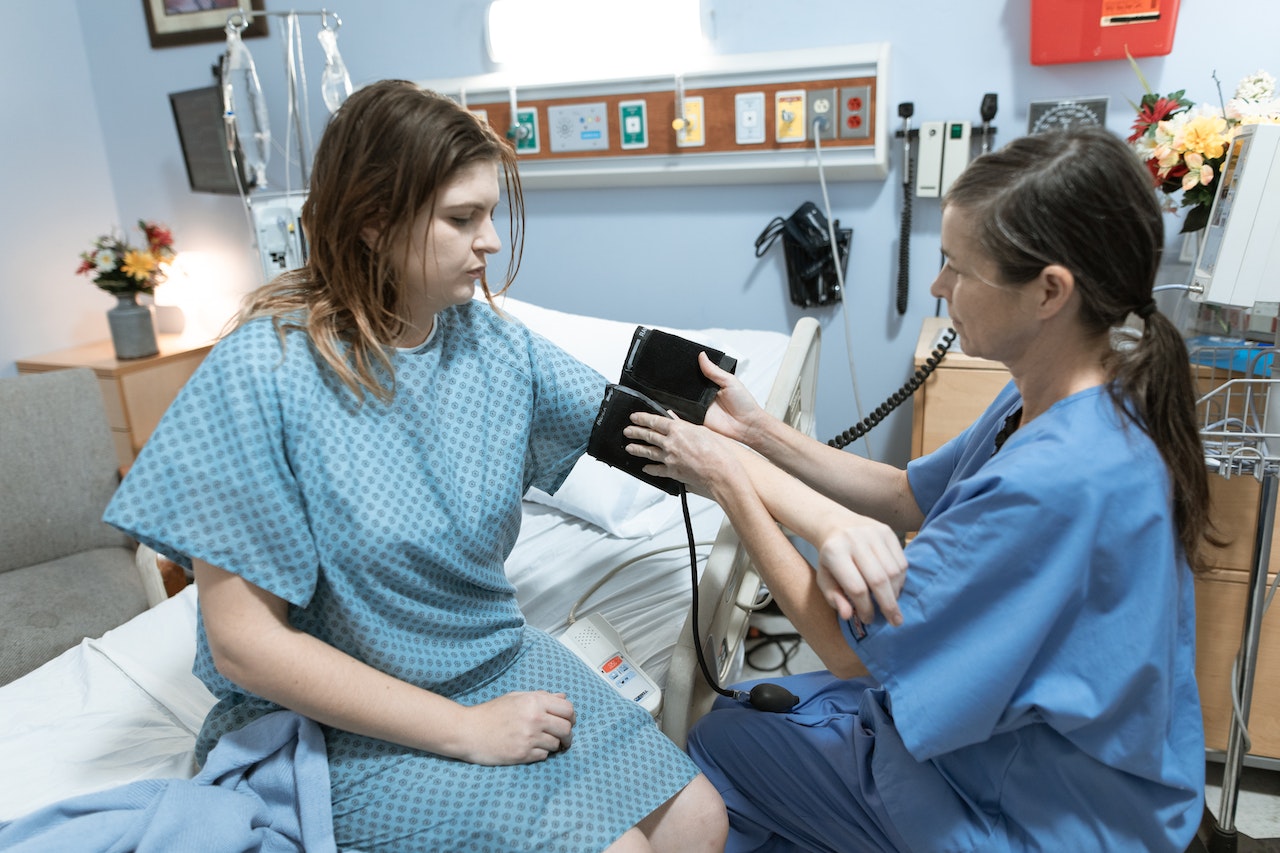
High blood pressure is one of the most common health conditions in the UK, and you'll find no shortage of home remedies people swear by — honey among them. Here's what's actually true about honey and blood pressure, what genuinely helps, and when to get medical help.
What Is High Blood Pressure?
Blood pressure is the force of blood pushing against the walls of your arteries as your heart pumps it around your body. High blood pressure, or hypertension, means that force is consistently too high. It's sometimes called a "silent" condition, because it rarely causes obvious symptoms on its own — which is exactly why it's so often picked up during a routine check rather than because someone feels unwell. Left unmanaged over time, it increases the risk of serious problems including heart attack, stroke and kidney disease, which is why it's worth taking seriously even without symptoms.
How Blood Pressure Is Measured
A blood pressure reading is given as two numbers, such as 130/80 — the first (systolic) is the pressure as your heart beats, and the second (diastolic) is the pressure as it rests between beats. According to the NHS, you're generally considered to have high blood pressure if a reading is 140/90 or higher when checked by a healthcare professional, or 135/85 or higher when checked at home. A single high reading isn't usually enough for a diagnosis, since blood pressure naturally varies through the day — it's typically confirmed with repeated readings or home monitoring over time.
What Increases Your Risk
According to the NHS, several factors raise your risk of high blood pressure, including your age, having close relatives with high blood pressure, your ethnicity, being overweight, smoking, drinking too much alcohol, and prolonged stress. Diet plays a real role too — specifically, the NHS points to "having an unhealthy diet – especially a diet that's high in salt" as a contributing factor.
Does Honey Lower Blood Pressure?
You may have read that a spoonful of honey can lower blood pressure within the hour. We're not going to repeat that claim here — we can't verify it against reliable, reproducible clinical evidence, and repeating an unverified statistic doesn't do you any favours.
What's true is that raw honey does contain small amounts of antioxidants, and trace amounts of minerals including potassium, vitamin C and zinc. Potassium genuinely is linked to healthier blood pressure — Blood Pressure UK describes it plainly: "Potassium is a mineral that helps to lower your blood pressure." But it's worth being honest about scale: honey is not a significant source of potassium. A teaspoon of honey contains only a small fraction of the potassium found in foods like a banana, a baked potato, or leafy greens. So while the mineral itself is genuinely relevant to blood pressure, the amount you'd get from a spoonful of honey isn't meaningful enough to describe honey as something that helps manage it.
In short: honey is not a treatment for high blood pressure, and it shouldn't be used as one, however it's prepared or however often it's taken.
What Actually Helps
The dietary and lifestyle changes with real evidence behind them are less exciting than a single "superfood," but they work. The NHS recommends a healthy, balanced diet, regular exercise (aiming for at least 150 minutes a week), keeping to a healthy weight, not smoking, and limiting alcohol and caffeine. On salt specifically, the advice is direct: "do not eat too much salt – avoid salty food or adding salt to your meals." Managing stress and getting enough sleep are also generally recommended alongside these changes, since both affect blood pressure over time.
If you want to raise your potassium intake in a way that's actually meaningful, whole foods are the way to do it — fruit (particularly bananas and dried fruit), vegetables, beans and lentils are all genuinely good sources, far more so than a spoonful of honey.
Medication And Potassium: A Safety Note
If you take blood pressure medication, please don't reduce or stop it based on any dietary change, honey included. The NHS notes that a GP will usually prescribe medicine for high blood pressure when lifestyle changes alone aren't enough, and most people who are prescribed medication need to keep taking it as directed, often alongside continued lifestyle changes rather than instead of them.
It's also worth knowing that increasing potassium intake isn't automatically the right move for everyone: if you have kidney disease, or take certain blood pressure medicines such as ACE inhibitors, ARBs, or potassium-sparing diuretics, too much potassium can be harmful. If you're thinking about changing your diet to manage your blood pressure, it's worth a quick conversation with your GP or pharmacist first, particularly if you take any regular medication.
When To Get Medical Help
High blood pressure itself is usually symptom-free, which is exactly why regular checks matter more than watching for warning signs. But the NHS is clear about when to seek help urgently. Contact NHS 111 if you often have headaches or blurred vision. Call 999 or go to A&E immediately if you get sudden chest pain or discomfort that doesn't go away, or other symptoms that could suggest a heart attack.
Where Honey Can Still Fit In
None of this means you need to avoid honey — it just means it isn't a blood pressure remedy. If you enjoy honey as part of a generally balanced diet, a raw, unprocessed honey is a pleasant way to include it. We'd suggest our Raw Organic Red Gumbo Limbo Honey if you'd like to try one — just bear in mind that, like any honey, it's still a sugar, and the changes that actually help with blood pressure are the ones above: less salt, more whole potassium-rich foods, regular activity, and sticking with any medication your GP has prescribed.
This article is for general information only and is not medical advice. If you have, or are concerned you might have, high blood pressure, please speak to your GP. If you're already taking blood pressure medication, please don't change or stop it without medical advice.
Sources & References
- NHS, High Blood Pressure (Hypertension)
- NHS, High Blood Pressure – Diagnosis
- NHS, High Blood Pressure – Prevention
- Blood Pressure UK, Healthy Eating And Blood Pressure