
Gum honey (also called eucalyptus honey) and manuka honey are both known for having genuinely tested antibacterial activity, and both get compared to each other regularly. Here's what the lab research actually shows, how they compare, and what "tested" honey really means — and doesn't mean.
What Is Gum Honey?
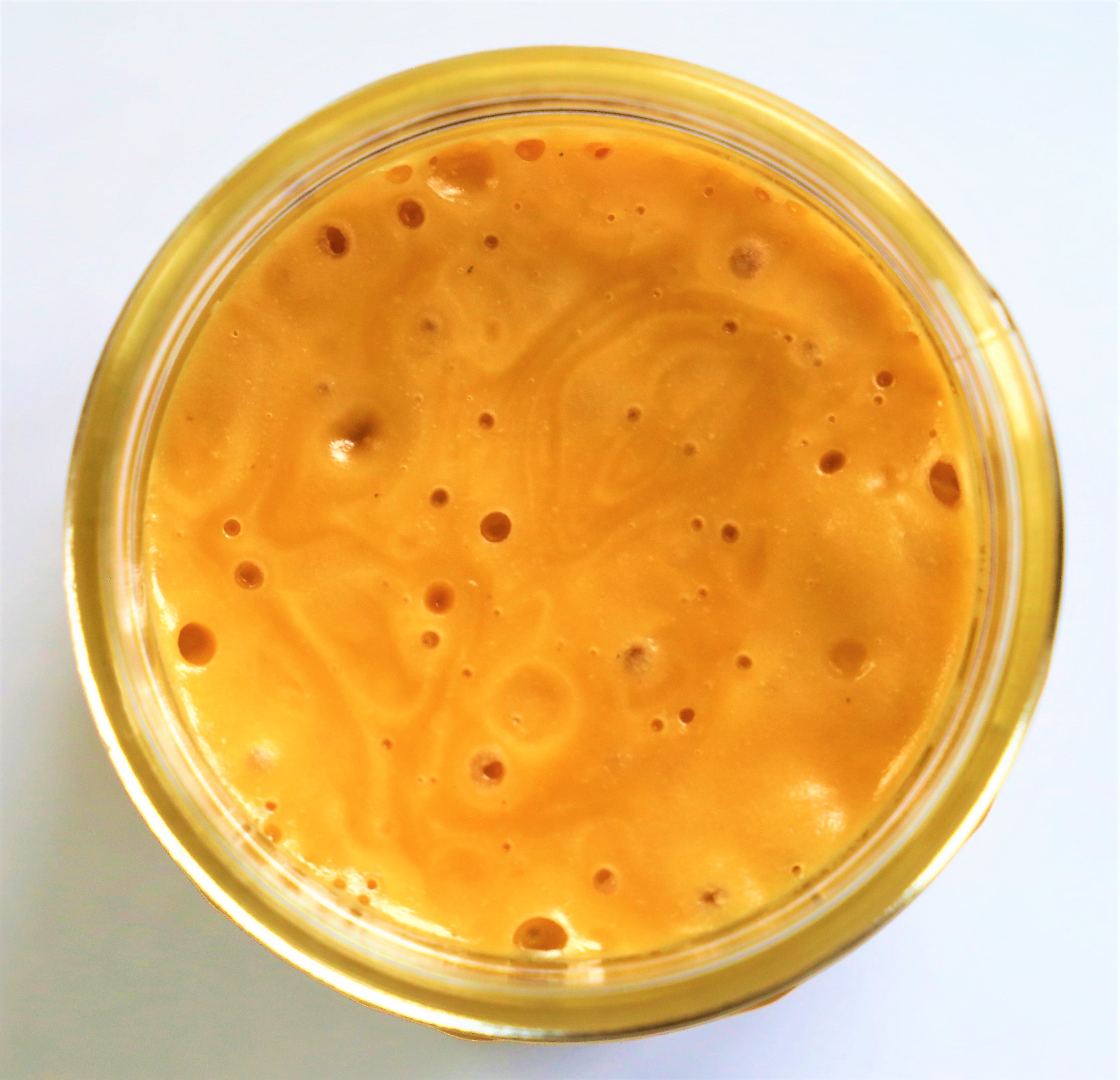
Gum honey is made by bees feeding on eucalyptus (gum) trees. Our Raw Organic Rivera Gum Honey comes from a small forest of eucalyptus trees where northern Uruguay meets southern Brazil, harvested once a year by six local beekeepers. It's a genuinely decorated honey in its own right — it won a Two-Star Great Taste Award from the UK Guild of Fine Food in 2017, and in 2011 it beat over 200 other honeys to win the international Biomiel prize for the world's tastiest organic honey. It's also independently pollen-tested at over 85% eucalyptus purity.
What Is Manuka Honey?
Manuka honey comes from the manuka bush, native to New Zealand and parts of Australia. It's become well known largely because of its lab-tested antibacterial activity, usually rated using the UMF (Unique Manuka Factor) or MGO scale. That testing, combined with limited geographic sourcing and high demand, is a big part of why genuine manuka honey commands a premium price.
How Is A Honey's "Antibacterial Activity" Actually Measured?
Both manuka and gum honey can be lab-tested using assays that measure how strongly a honey sample inhibits bacterial growth in a petri dish, usually expressed against a reference disinfectant (phenol) as a "total activity" or TA rating — the same principle behind UMF ratings for manuka. This is a real, standardised laboratory measurement, and a legitimate way to compare the potency of different raw honeys. What it isn't is a measurement of how honey performs as a treatment inside a living person — that's a different, much higher bar of evidence, and one that very little of this research has actually cleared.
Does Gum Honey Really "Beat" Manuka In Studies?
Some published lab research has tested eucalyptus honey's antibacterial activity and found it performs strongly — in some cases comparably to, or ahead of, manuka honey samples tested within the same study. That's a genuinely interesting finding about gum honey's potential as a potent, well-tested honey in its own right.
What we won't do is present that as a settled, sweeping "gum honey beats manuka" verdict. Different published studies use different honey batches, different bacterial strains, different concentrations and different lab methods, so results from separate papers aren't directly comparable, and declaring an overall "winner" from a handful of lab studies overstates what the research actually supports. We also can't stand behind three specific claims that appeared in earlier versions of this article — that eucalyptus honey was "more effective than antibiotics" against pneumonia and Staph A bacteria, that it "virtually destroyed" E-coli linked to food poisoning, and a specific 2007 prebiotic study. We couldn't verify the underlying sources, so rather than repeat unverifiable claims, especially ones this serious, we've removed them.
Honey Is Not A Substitute For Antibiotics
This is worth saying plainly: no honey, however well-tested in a lab, is a substitute for proper medical treatment of a bacterial infection. The NHS is clear that "if you have pneumonia caused by bacteria, you'll usually be given antibiotics," and that antibiotics matter most for infections that are "unlikely to clear up without" them or that "carry a risk of more serious complications." Pneumonia can be serious: call 999 or go to A&E if you're struggling to breathe, coughing up blood, have pale, blue or blotchy skin or lips, or suddenly feel confused. If you suspect food poisoning or any bacterial infection that isn't improving, see a GP or pharmacist rather than reaching for honey as a treatment.
Why Is Manuka Honey So Expensive, And Is Gum Honey A Real Alternative?
Manuka's price largely reflects limited geographic sourcing, strict certification, and strong demand — not proof that it's medically superior to every other tested honey. Gum honey, when it's genuinely high-purity and independently tested, is a legitimate, differently-sourced option for people who enjoy a potent, well-documented raw honey — not because it treats or prevents disease, but on its own merits as a quality product with real provenance and real awards behind it.
Try Our Raw Organic Rivera Gum Honey
If you'd like to try it, our Raw Organic Rivera Gum Honey has a fudgy, butterscotch-toffee character with a lingering chocolate note, is raw and unfiltered, and carries the Great Taste and Biomiel accolades mentioned above. It's a lovely honey to enjoy for what it genuinely is — a distinctive, award-winning, well-tested raw honey — rather than for any claimed medical effect.
This article is for general information only and is not medical advice. If you suspect you have a bacterial infection such as pneumonia or food poisoning, please see a GP or pharmacist rather than self-treating with honey.
Sources & References
- NHS, Pneumonia
- NHS, Antibiotics