


This article is for general information only and is not medical advice. Vitiligo is a diagnosed skin condition — please speak to a GP or dermatologist about diagnosis and treatment options.
Vitiligo is one of the more visible and often misunderstood skin conditions, and it's no surprise people search for natural ways to manage it. But it's important to be upfront: there is no clinical evidence that honey — raw, organic, or otherwise — repigments skin affected by vitiligo, slows its spread, or treats the condition in any way. This article explains what vitiligo actually is, what dermatologists currently recommend, and where honey genuinely does and doesn't fit into skin health.
What Is Vitiligo?
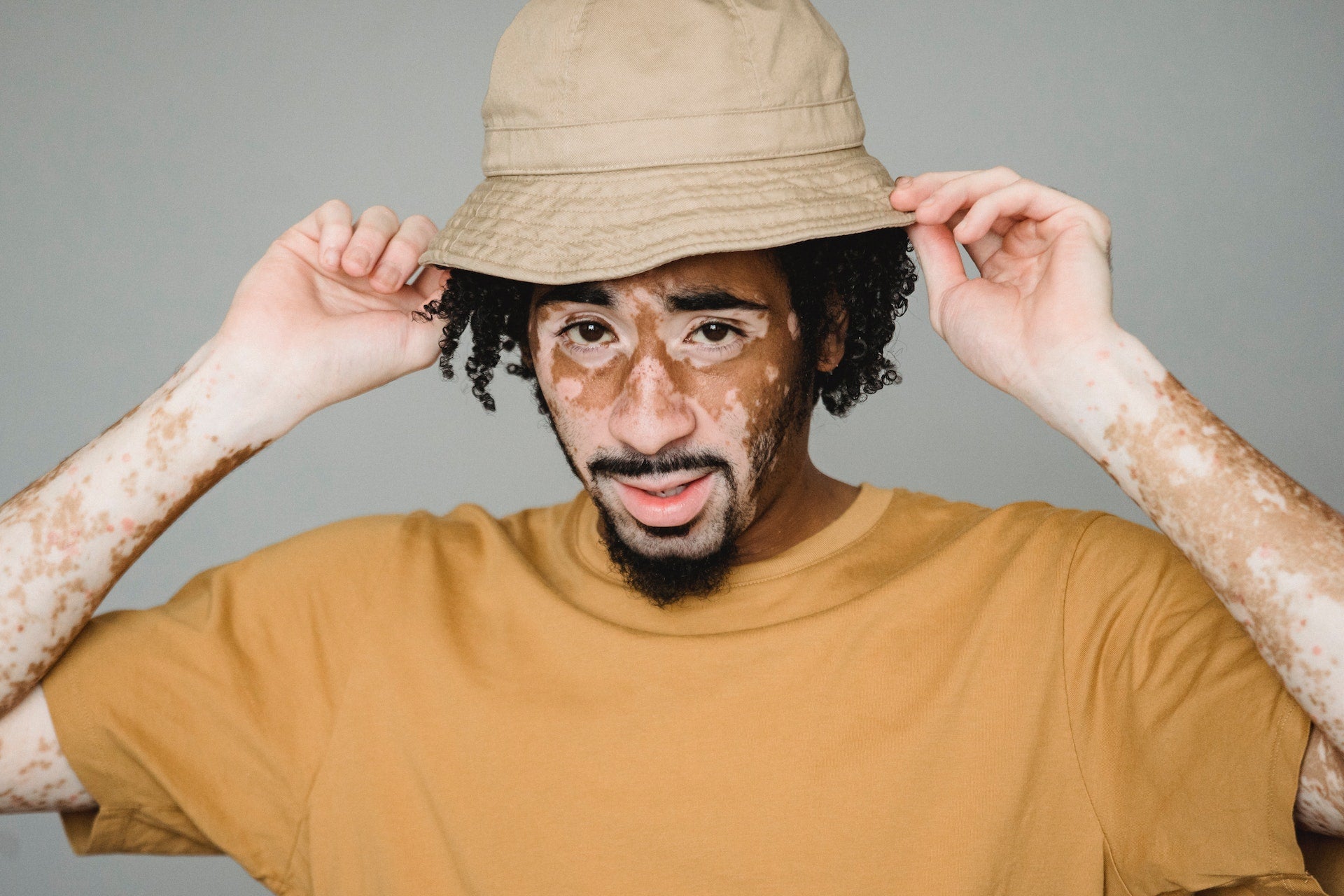
Vitiligo is a long-term skin condition in which pale, white patches develop because the skin loses melanin, the pigment that gives skin its colour. It commonly appears on the face, neck, hands, and skin creases, and the affected patches are more vulnerable to sunburn. According to the British Skin Foundation, it affects roughly one percent of the population and is equally common among men and women of all races, though it tends to be more noticeable on darker skin tones, and it is not contagious.
What Causes Vitiligo?
The most common form, non-segmental vitiligo, is thought to be an autoimmune condition, in which the immune system mistakenly attacks and destroys melanocytes — the skin cells that produce melanin. It's also associated with other autoimmune conditions such as an overactive thyroid, and there's a genetic component, though fewer than half of people with vitiligo know of a family member who also has it. A less common form, segmental vitiligo, is linked to chemicals released from nerve endings in the skin rather than autoimmunity. Triggers can include stressful events, skin trauma such as sunburn or cuts, hormonal changes, and certain chemical exposures — but vitiligo cannot be caught from another person.
Can Vitiligo Be Cured?
No — and it's worth saying plainly, because a lot of content online implies otherwise. There is currently no cure for vitiligo, though treatment options exist to manage its appearance. The white patches are usually permanent, and even where treatment helps restore some colour, the effect doesn't usually last and treatment can't stop the condition spreading.
What Do Dermatologists Actually Recommend?
Real, evidence-based options for vitiligo include:
- Sun protection — a high-SPF sunscreen (ideally SPF 50+) is recommended, since vitiligo patches lack the melanin that normally helps protect skin from UV damage.
- Skin camouflage creams — specially formulated creams that blend white patches with surrounding skin tone; the NHS can refer patients to a free skin camouflage service.
- Topical corticosteroids — steroid creams or ointments that may restore some pigment and slow the spread of patches, though long-term use carries side effects like skin thinning.
- Topical calcineurin inhibitors (pimecrolimus/tacrolimus) — used off-label to help restore pigment without the skin-thinning side effect of steroids.
- Phototherapy — controlled UVA or UVB light exposure, sometimes combined with other treatments, which evidence suggests can have a positive effect.
- Topical ruxolitinib — a newer cream licensed for facial vitiligo in people 12 and over, which works by calming the immune activity that damages pigment cells.
- Psychological support — because, as the NHS notes, problems with confidence and self-esteem are common, particularly when visible areas of skin are affected, and CBT or counselling can be offered alongside physical treatment.
Notably, the NHS's own treatment guidance addresses complementary remedies directly: "Some complementary therapies claim to relieve or prevent vitiligo. However, there's no evidence to support their effectiveness, so more research is needed before they can be recommended." Honey, along with most other natural remedies circulated for vitiligo, falls into this category — there is no dermatological research showing it affects melanocyte activity or pigment restoration.
So Where Does Honey Actually Fit?
Honey does have a genuine, well-studied role in skin care — just not this one. A major Cochrane systematic review of 26 studies found high-quality evidence that honey heals partial-thickness burns around 4 to 5 days faster than conventional dressings, and moderate-quality evidence that it's more effective than antiseptic-and-gauze for healing wounds infected after surgery. That's a real, verified benefit for wound healing — a completely different mechanism from repigmenting skin that's lost melanin to an autoimmune process. It's important not to blur the two: honey soothing or moisturising skin says nothing about its ability to influence pigmentation.
If you enjoy using raw honey as part of a general skincare routine — for its moisturising, humectant qualities — that's a reasonable, low-risk choice. It just isn't, and shouldn't be marketed as, a vitiligo treatment.
Living With Vitiligo
Vitiligo can be emotionally difficult even though it's not physically harmful, and that's worth acknowledging directly rather than glossing over with a "natural fix." There's a genuine and growing body of research linking psychological stress to vitiligo — some studies suggest stress hormones can disrupt the same immune pathways involved in melanocyte loss, and people with vitiligo consistently report higher stress levels than those without it. This is part of why the NHS recommends psychological support — including CBT and counselling — for people managing vitiligo: not because therapy repigments skin, but because managing stress may help with quality of life and, some researchers believe, the course of flares. This remains an active area of research rather than a settled treatment, so it's worth raising with a GP or dermatologist rather than relying on any single method.
If vitiligo — or how you feel about it — is affecting your quality of life, a GP or dermatologist can talk through the full range of options, including psychological support. Charities such as The Vitiligo Society also offer advice and can help connect people with others living with the condition.
If you're simply looking for a gentle, honey-based addition to your everyday skincare — not a vitiligo treatment — our Raw Organic Brazilian Honey Face Cream is formulated as a general moisturiser for all skin types. It isn't intended to treat any medical skin condition, and we'd encourage anyone with a diagnosed condition like vitiligo to be guided by their dermatologist first.
Sources & References
- NHS — Vitiligo: Overview
- NHS — Vitiligo: Treatment
- British Skin Foundation — Understanding Vitiligo: An Overview (reviewed by Professor Viktoria Eleftheriadou, Consultant Dermatologist)
- Cochrane — Honey as a Topical Treatment for Wounds